How Dynamic DOOH is Revolutionizing Ride-Hail and Fleet Advertising in Indian Cities
Dynamic Digital Out-Of-Home (DOOH) is transforming the ride-hail and fleet advertising landscape in India by enabling real-time, contextually relevant ad delivery. Discover how brands are gaining an edge with dynamic DOOH through innovative transit media solutions.

Introduction
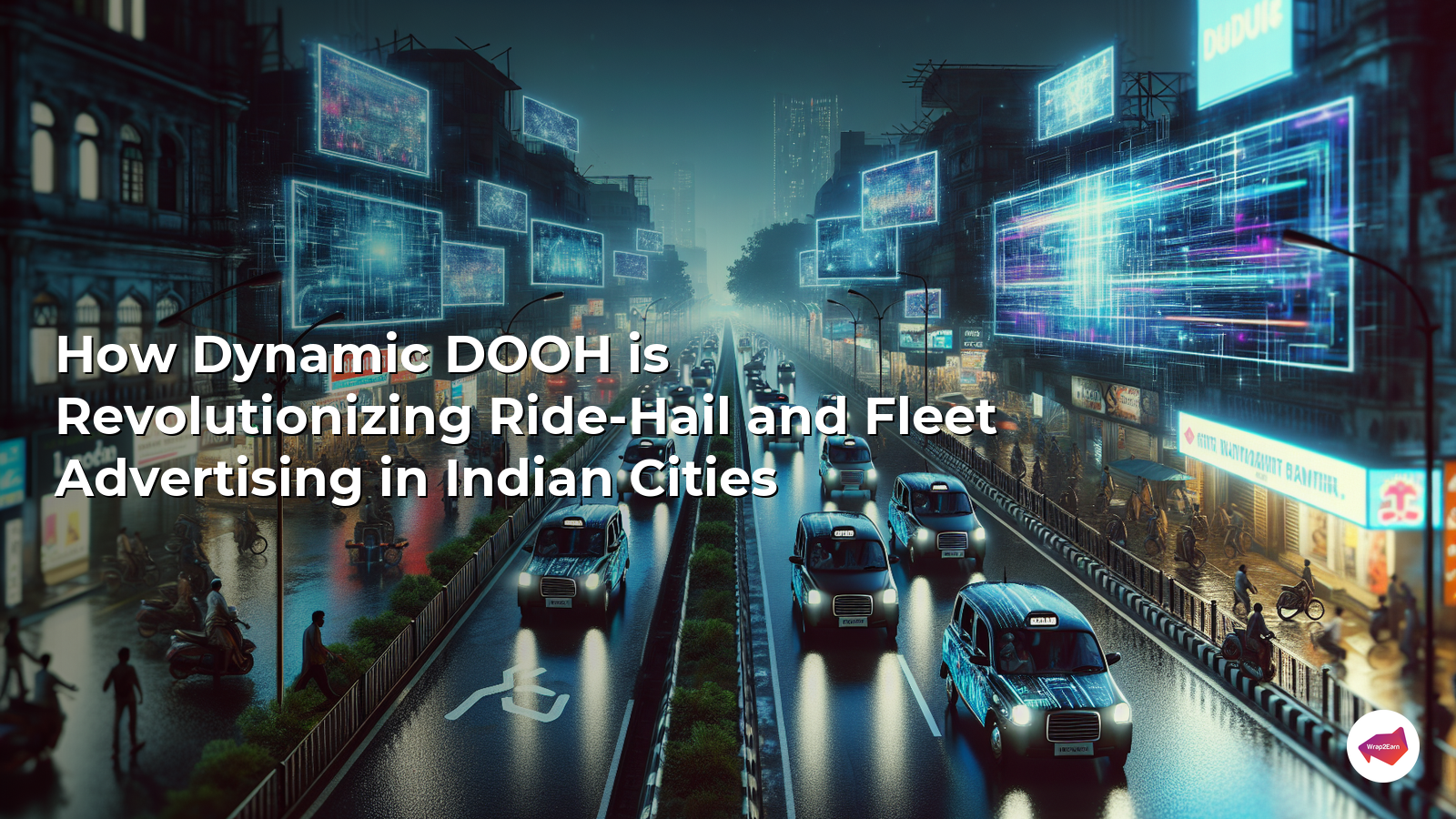
Dynamic Digital Out-Of-Home (DOOH) advertising is revitalizing the Out-Of-Home (OOH) sector, especially within India’s bustling urban markets. Ride-hailing vehicles, a familiar presence in metro cities like Mumbai, Bangalore, and Delhi, serve as moving digital billboards presenting brands with unparalleled engagement opportunities.
Dynamic DOOH allows real-time adaptability of ad content on digital screens mounted on cabs and public transit, enhancing brand visibility while improving return on investment (ROI) through data-driven precision.
What is Dynamic DOOH?
Dynamic DOOH involves digital advertisements capable of real-time updates triggered by diverse contextual data such as location, time, audience demographics, and weather conditions. Unlike static ads, this flexibility enables brands to deliver relevant messaging tailored to the moment.
For example, digital screens on a cab may show breakfast offers during morning rush hours and switch to entertainment promotions at night.
The Indian Ride-Hail and Fleet Context
India’s rapidly growing ride-hail market, comprising millions of trips daily, offers a unique moving canvas for dynamic content. Key benefits include:
- Maximized visibility: Digital screens on moving vehicles capture attention amidst dense pedestrian and vehicular traffic.
- Contextual relevance: Ads tailored by location and time improve memorability and brand recall.
- Data-driven targeting: Advertisers can strategically program content to specific routes or fleet segments.
Advantages Over Traditional Static Advertising
- Real-time content updates: Instantaneous ad refresh enables timely promotions or event-focused messaging.
- Enhanced engagement: Motion and brightness inherent in digital ads yield greater consumer attention.
- Efficient media spend: Programmatic automation optimizes budget allocation towards the most impactful audiences.
- Precise performance measurement: Integration of GPS and sensors allows detailed tracking of ad impressions and campaign outcomes.
Technology Behind Dynamic DOOH on Fleet Vehicles
- High-resolution displays: Durable LED or LCD panels ensure clarity in diverse lighting.
- Connectivity infrastructure: 4G/5G networks facilitate seamless, real-time content updates and programmatic bidding.
- GPS and AI-enabled targeting: Real-time location data informs context-aware ad placement.
- Centralized management systems: Allow advertisers or agencies to remotely control and adjust campaigns fleet-wide.
Challenges and Opportunities Ahead
Despite the promise, challenges remain including:
- Inconsistent network coverage impacting real-time ad delivery in some regions.
- Lack of standardized metrics complicating audience measurement and advertising ROI evaluation.
- Balancing integration with existing media channels to maintain consistent brand messaging.
However, ongoing technological advancements and growing expertise are progressively addressing these issues.
Conclusion
Dynamic DOOH represents a transformative shift for Indian ride-hail and fleet advertising, enabling brands to reach urban consumers in motion with contextually relevant, measurable campaigns. Embracing this innovation through trusted partners like Wrap2Earn can unlock new levels of advertising effectiveness.
FAQ
What differentiates dynamic DOOH from static OOH advertising?
Dynamic DOOH uses digital screens capable of real-time content changes, unlike static ads which are fixed until manually replaced.
How does location data enhance dynamic DOOH campaigns?
Location data allows ads to align with the vehicle’s geography, adapting messaging based on local events, weather, and audience profiles to increase effectiveness.
Is dynamic DOOH costlier than traditional cab wraps?
Though upfront costs can be higher, dynamic DOOH tends to deliver superior ROI due to precise targeting and real-time optimization capabilities.
Can dynamic DOOH be integrated with programmatic ad buying in India?
Yes, programmatic platforms enable automated, data-driven placement of dynamic DOOH ads, expanding campaign scalability and efficiency.
How do advertisers measure success of dynamic DOOH campaigns?
Measurements include GPS and sensor tracking of impressions, engagement duration, and conversions, supported by analytics platforms.